The Israel-Hamas Ceasefire: What Happened, and What Still Lies Ahead
- Dec 17, 2025
- 2 min read
Marianne Compere '26
After months of intense violence and a horrifying number of casualties, Hamas and Israel have entered a period of ceasefire that provided a brief period of stability in a war that has devastated many on both sides. An agreement has been reached under the presence of international mediation, following immense political pressure, worsening humanitarian conditions in Gaza, and concern for civilian safety. The truce itself is fragile but creates new opportunities for aid, limited recovery, and some type of dialogue.
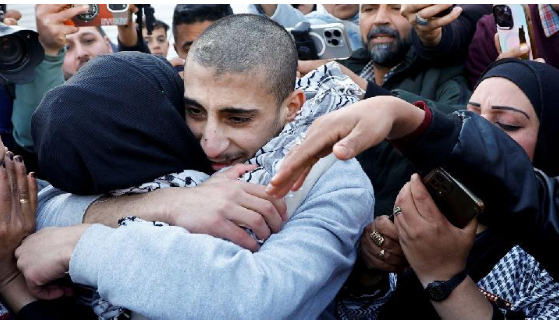
A key factor to the ceasefire involved the exchange of Palestinian prisoners and Israeli hostages, which gives emotional relief to families who were torn apart and spent months living in uncertainty. Israel has also agreed to remove some military forces from areas in Gaza, which allowed displaced Palestinians to return to their homes. Many people who returned to their homes found desecrated neighborhoods, dead friends and family, and almost nothing left. However, the ability to return was able to offer a sense of control that had been prolonged throughout the conflict.
Areej Abu Saadaeh, a Palestinian mother who was displaced during the early conflict, tells Al-Jazeera that “I’m happy about the truce and peace, even though I’m a mother of a son and daughter who were killed, and I grieve for them deeply. Yet, the truce also brings joy: returning to our homes” (Al-Jazeera).
Another major component of the truce included increased access for humanitarian aid, which has been a longstanding concern in the conflict. Shortages of fuel, water, food, and medical supplies had pushed Gaza to a humanitarian disaster. Aid trucks can now deliver essential supplies, providing hospitals and citizens with the resources they need, since the fighting is paused.
The future of the ceasefire remains uncertain, despite the temporary calm. Experts warn that unless deeper issues such as governance, security, and the long-term status of Gaza are discussed, the ceasefire may not hold up indefinitely. Mediators are trying to push for another phase of talks that will help determine the next move and that this pause in violence can lead to lasting progress.
For many citizens, the ceasefire has given them a chance to rest, rebuild, and reconnect with their lives. Children sleep more peacefully, families are gaining access to basic needs again, and communities are trying to move forward. While the future of this ceasefire is still unknown, it marks an important period for relief and possibility in a conflict that has been endured for generations.


Comments